- Common pipistrelle 63%
- Common pipistrelle 83%
- Common pipistrelle 53%
Back to Listening
They hunt above our
§ V · Bats Ultrasonic · 200 kHz
They hunt above our
hearing range.
Bats hunt at night and communicate at frequencies I can’t hear, above 20 kilohertz. Here, an Ultramic 200kHz is listening — a microphone that does reach up there. During the day it’s quiet. From dusk onwards it gets interesting.
About the confidence score
An algorithm is no ornithologist
Every detection comes with a confidence score. 92% chance it's a blackbird, 23% chance it's a noctule. The number looks scientific, but it remains a model's guess. Often very good. Sometimes completely off.
A few from this garden. A bicycle bell once became a bullfinch. A bouncing ball down the street, an eider. One pipistrelle sounds almost identical to another, as far as BatDetect2 is concerned. The algorithm misfires there regularly, even at 95%. Rare species are extra suspect. The model has seen fewer of them, so a detection like that stands on shaky ground.
I check the less common and rare species myself. For each detection I play the recording back and see if it holds up. But that leaves me running behind sometimes. I might only get to it days later, and until then a doubtful case just sits on the site.
So those numbers are a hint, not an identification. An algorithm that listens day and night hears more than I ever could on my own, and that's already something.
Latest passes · tonight
No detections yet.
★ Hoogtepunthelderste opname die hier is geregistreerd
§ V-02 · Live into the night From the Ultramic microphone on the roof
Just recorded.
Bats fly mostly at night. During the day the block stays quiet. The stream shows nothing yet. The sonar Pi first has to start publishing per-detection events before anything appears here.
connecting
-
Listening.
No detections since you opened this page. A quiet stretch means nothing was heard, not that the pipeline is down.
§ V-03 · The night in one picture 24 hours, coloured by species
Daytime silent.
From dusk onwards, busy.
The chart runs from midnight to midnight. The dark zones are night, the orange transitions are twilight. Each bar is one detection, coloured per species.
Tonight View another night →
00 06 12 18 24
- Common pipistrelle
- Nathusius's pip.
- Leisler's bat
- Common noctule
§ V-04 · Listen to the inaudible Ten times slowed down, made audible
What I can’t hear, you can.
Bat calls sit above 20 kHz, well above human hearing. The Ultramic picks them up and the system slows every recording down ten times. That shifts the echolocation clicks to a pitch you can actually hear. The original 200 kHz WAV remains available as a download.
-
Rosse vleermuis
- 01 2 jul 26 · 03:54 100%

- 02 22 mei 26 · 23:15 100%

- 03 18 jun 26 · 03:22 100%

-
-
Gewone dwergvleermuis
- 01 15 okt 26 · 21:10 100%

- 02 20 sep 26 · 22:43 100%

- 03 15 sep 26 · 03:47 100%

-
-
Laatvlieger
- 01 26 jul 26 · 22:29 100%

- 02 27 jun 26 · 01:55 100%

- 03 10 mei 26 · 03:35 100%

-
-
Baardvleermuis
- 01 24 aug 26 · 22:22 100%

- 02 24 jul 26 · 23:25 100%

- 03 24 jul 26 · 22:44 100%

-
-
Bosvleermuis
- 01 27 jun 26 · 02:07 100%

- 02 21 mei 26 · 01:45 100%

- 03 3 mei 26 · 03:01 100%

-
-
Ruige dwergvleermuis
- 01 1 mei 26 · 03:08 100%

- 02 3 sep 26 · 02:11 98%

- 03 26 sep 26 · 23:18 97%

-
-
Tweekleurige vleermuis
- 01 1 mei 26 · 22:34 97%

- 02 27 mei 26 · 23:43 90%

- 03 26 jun 26 · 03:56 82%

-
-
Gewone grootoorvleermuis
- 01 1 aug 26 · 03:44 79%

-
8 soorten · 22 fragmenten getoond. Selectie gemaakt op 16 okt 26.
§ V-05 · Highlights · all time Hand-picked, with my own context
The classics, with story.
Not every bat recording is special. Here are moments I want to remember myself: social calls, early spring returns, a species you don't hear often.
No highlights marked yet. Ronny regularly picks new ones.
§ V-06 · Species in view Who has passed through here
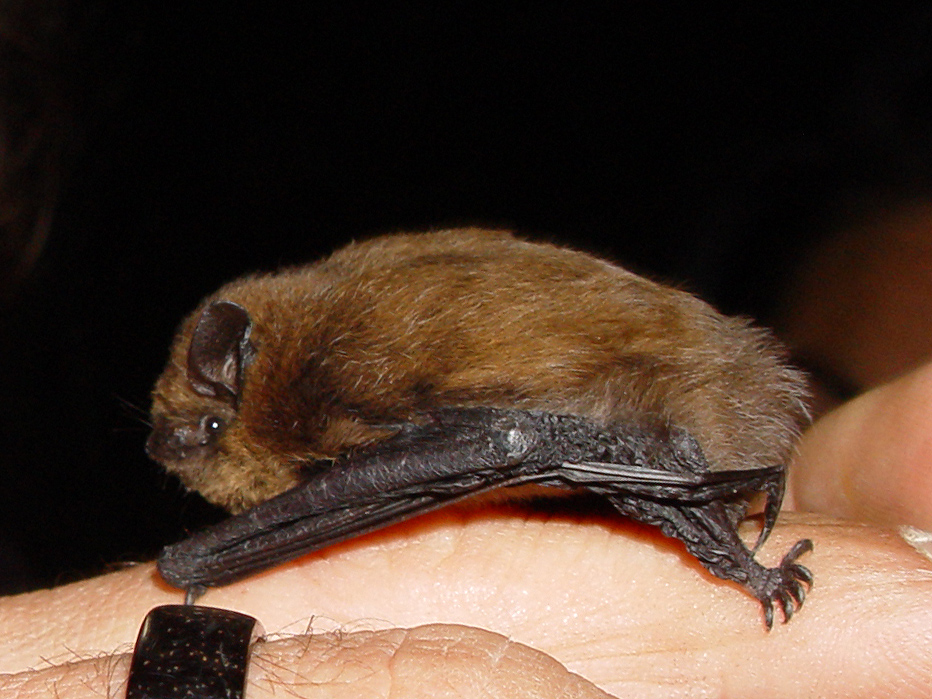
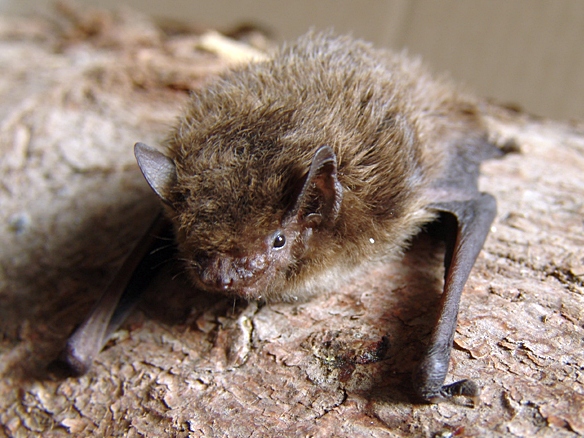
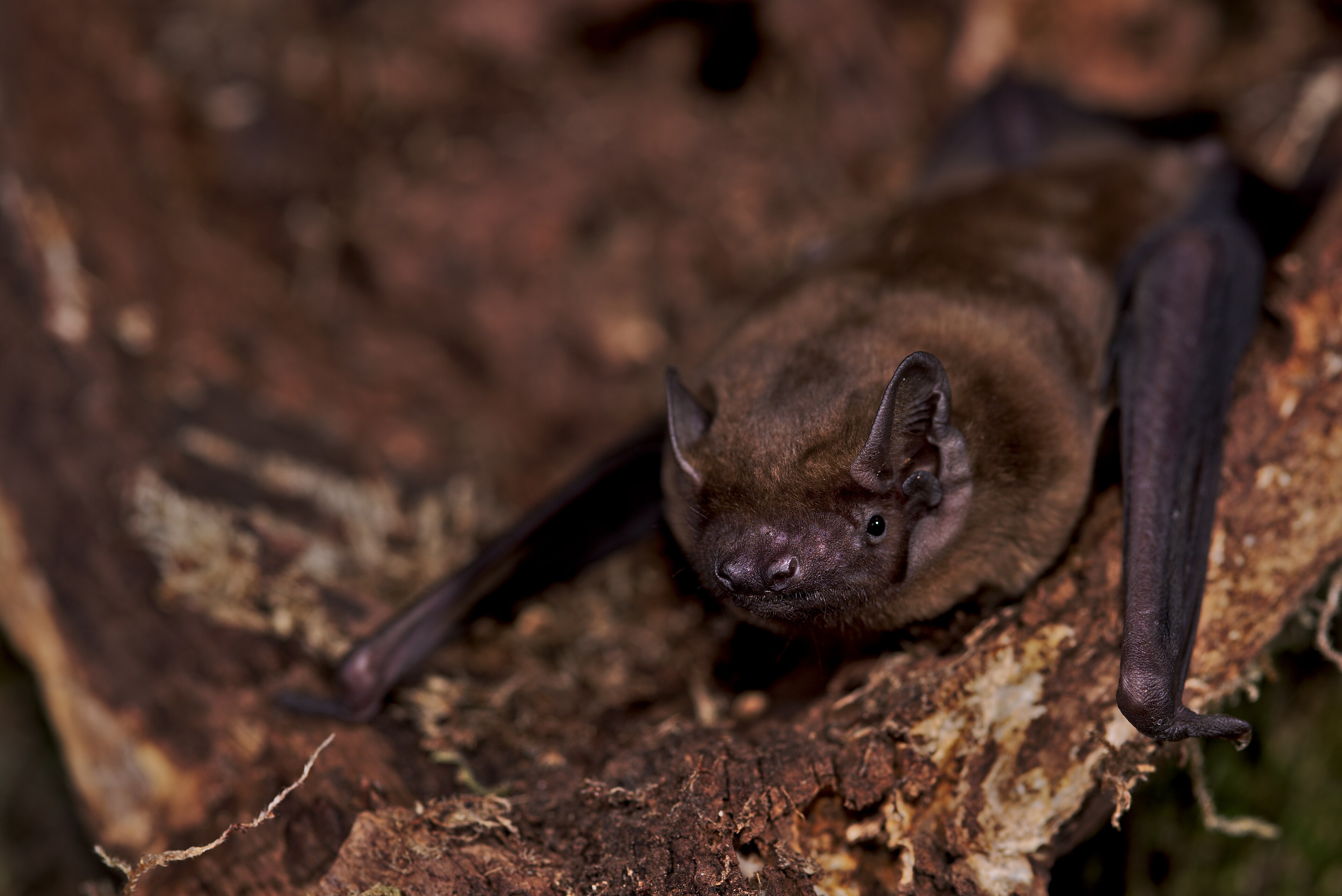
11 species so far.
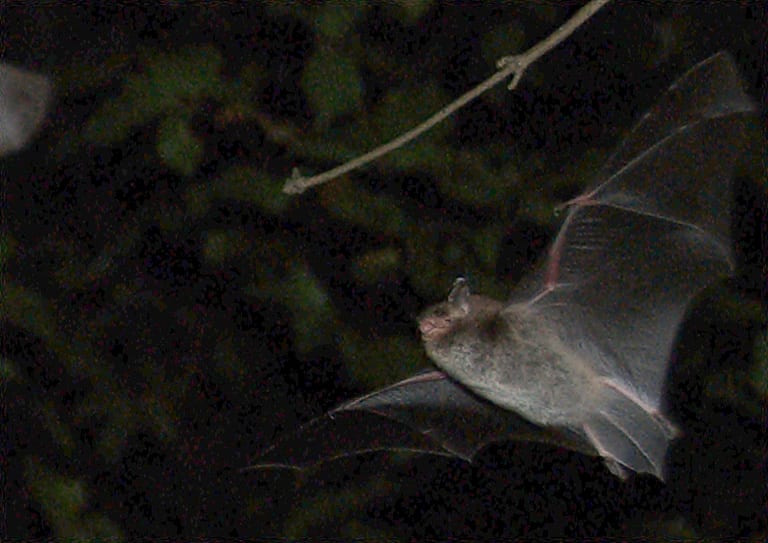
Each bat species has its own frequency range and call pattern. Detections are from the last thirty days, frequencies from the entire archive.
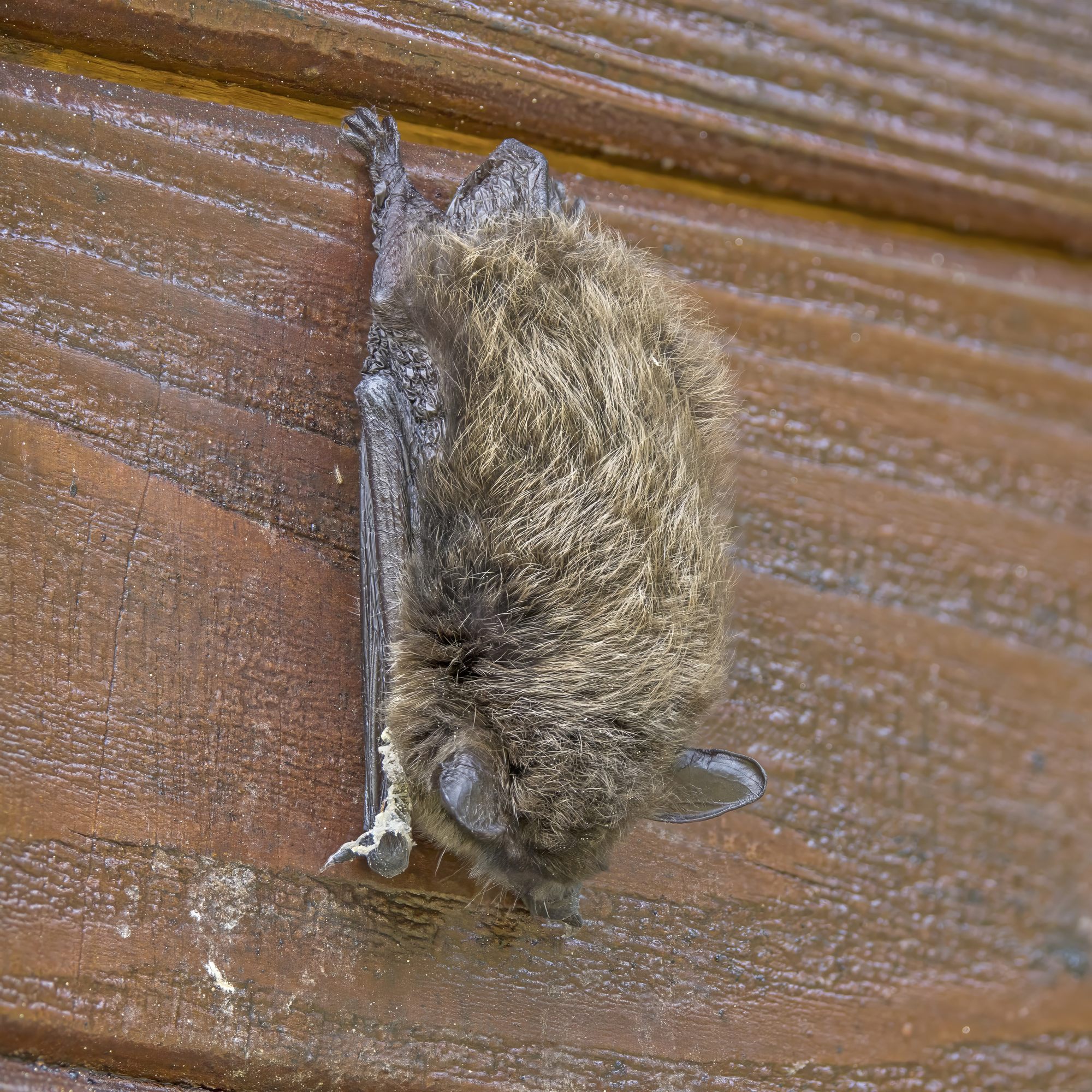
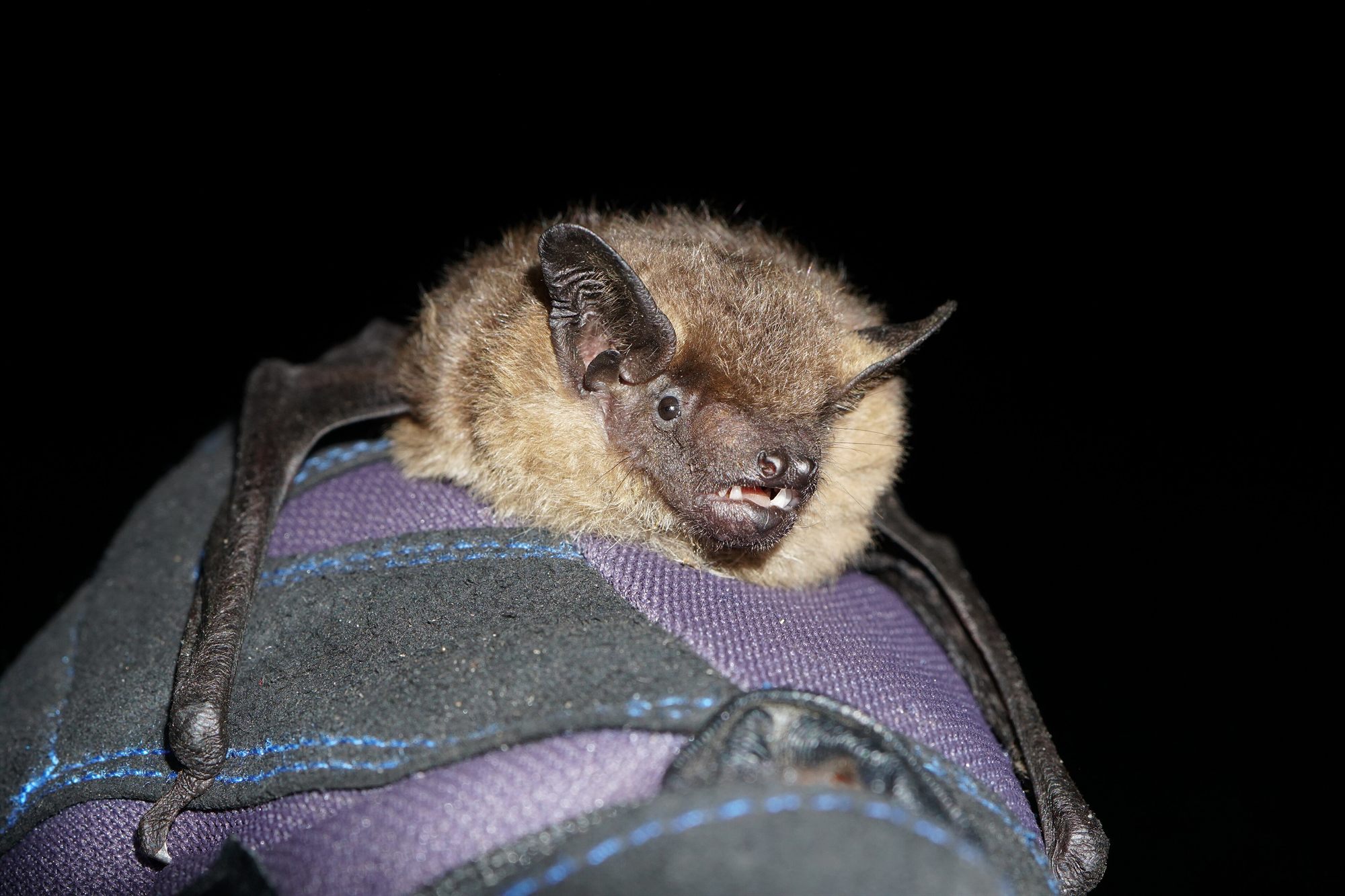
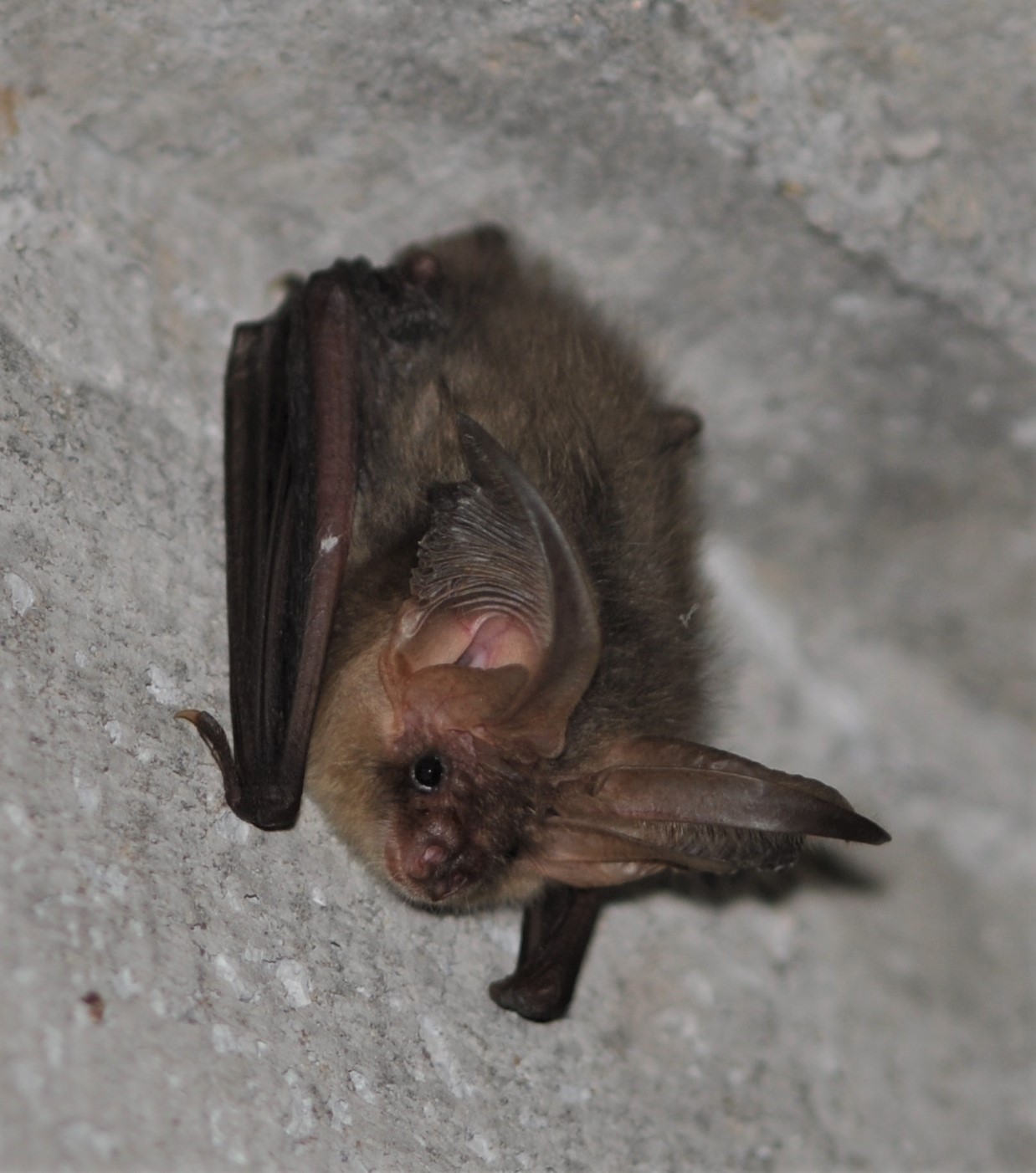
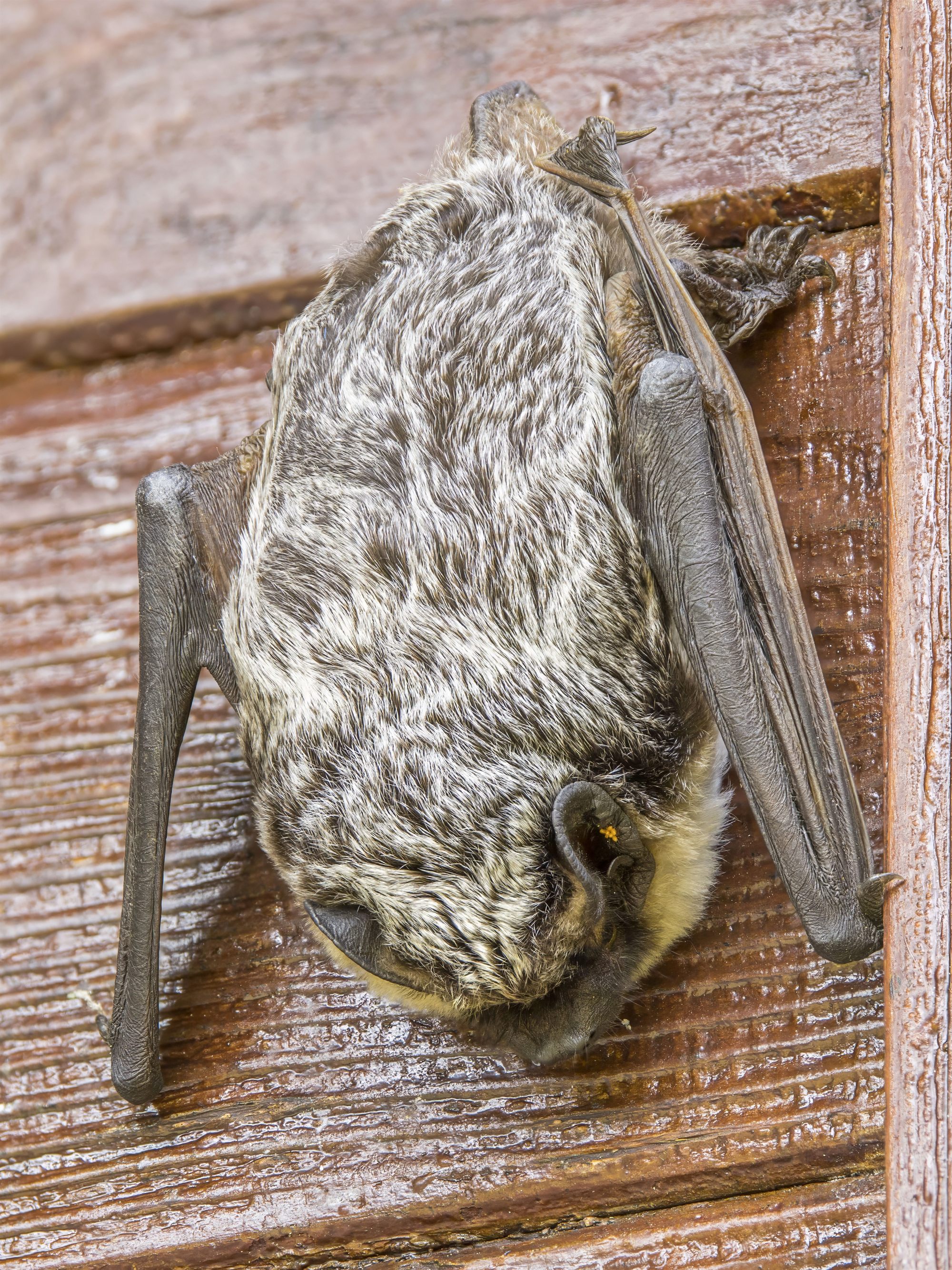
§ V-07 · What stands out tonight Compared with the May averages
- Tonight 280 passes from 6 species.
- Most active: Common pipistrelle with 242 passes , followed by Nathusius's pipistrelle (12).
- First detection at 18:54, a common pipistrelle.
- Total 108,701 passes across 196 days since Apr 2026.
§ V-08 · Under the hood How do you listen to what you can’t hear
Bats hunt with echolocation. They send out ultrasonic clicks and listen for the echo to locate their prey. Different species use different frequencies. The common pipistrelle sits around 45 kHz, the common noctule lower at around 20 kHz, the serotine somewhere in between. From the frequency and the pattern of the clicks you can often identify the species.
The microphone hanging here is a Dodotronic Ultramic 200kHz and reaches up to 200 kilohertz, well over ten times higher than human ears. A Raspberry Pi 5 continuously analyses the audio with two algorithms: BatDetect2 (a neural network trained on European bats) and BattyBirdNET-Bavaria. When a pass is detected, the system stores the fragment and slows it down ten times for publication. That’s what makes it audible.
Sometimes a bat passes by in a burst. Five detections in two minutes during one pass, then nothing for an hour. That’s normal: bats hunt in rounds and pause in between. At each detection above you see that as a separate event, occasionally with a summary (“Common pipistrelle, 14 detections between 22:14 and 22:16”) when there are a lot.